Tenkara & Kayak Fishing in Brazil.
by Carlos Andre Blatt, BR
Why a
Kayak?
My favorite
form of fishing is to wade using tenkara or fly tackle. However, living in a
semi–arid region, wading boils down to the beach throughout the year and lakes
in the dry season because there are very few rivers with sufficient water.
There are also mangrove areas, but wading there is impossible because you can
only access the channels by boat.
Fishing from
the beach is somewhat unfriendly and not particularly productive due to strong
winds and high waves. In lakes and rivers, the few wading points suffer
constant fishing pressure and if one wants consistent catches he must rely on
chance or move away in search of remote locations.
So,
expanding my fishing options was the main reason I opted for a kayak in my
area.
Trolling Motor vs. Paddle.
I usually
do not paddle my kayak. Due to the high winds here, paddling and fishing do not
go well together. The solution I came across was to outfit the kayak with an
electric trolling motor that has 44 lbs thrust.
When using
tenkara gear, one of my hands is free to operate the trolling while the other
can cast and work the fly. When I hook a big fish, the ability to go in reverse
with the trolling motor gives allows me to quickly pull away from the snags in
lakes, or roots and oyster banks when fishing the mangroves. A 65 Amp/h battery
guarantees me a whole day of fishing.
Speaking of
mangroves, without the kayak it would be impossible to go after snook and other
species that inhabit this water. The kayak approach is beyond silent and allows
me to precisely cast between the roots, which is crucial in snook fishing.
Those fish
are very strong but are also very lazy. If your fly lands one foot out of his
ambush zone, he won't come to it.
Fish.
My target
fish are almost invariably peacock bass in lakes and snook in the mangroves.
Other
species such as oscar, traíra, snapper, and even tarpon may appear
inadvertently but are not my main fishing focus. One good thing about these two
fish species is that, although they occupy different environments, they like many
of the same flies, making the guesswork easier.
Rods.
I have tested
several models of tenkara rods from 2.40 m up to 4.20 m. My personal favorites
are rods between 3.00 and 3.60 meters. The longer sticks allow me to wade in
more open areas and the smaller models work well in
canopied areas. I like fast
rods (7:3 or 6:4) because they work better in the wind. But the 5:5s have their
place, as they fight smaller fish much better and help protect delicate tippet.
Usually I take at least two rods with different actions and use them according
to what the situation requires.
Lines.
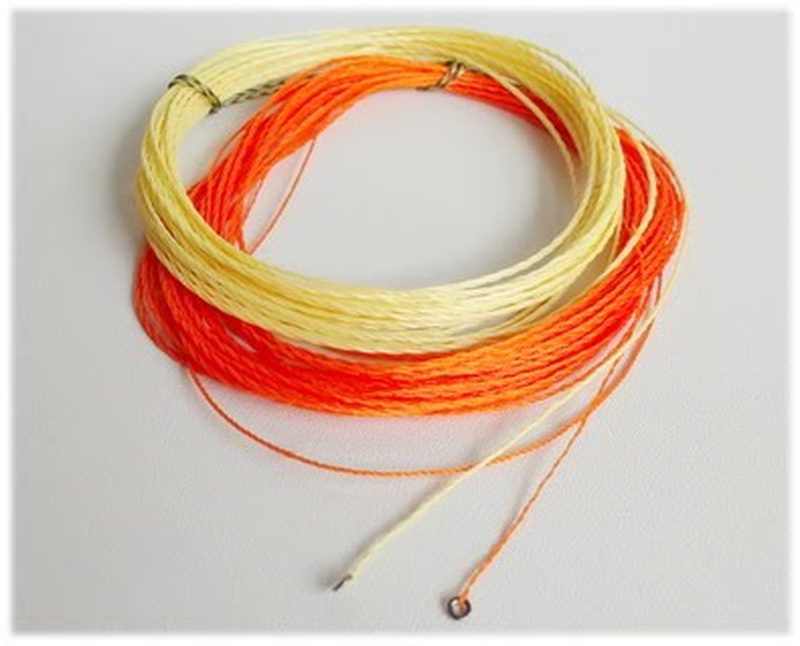
I also did
many experiments with various types of line (furled, flurorcarbon level, dakron,
etc) and currently my preference is for the floating lines made from fly fishing
running lines. In situations of extreme wind, or if I need to use a fly down
deep, I will opt for the titanium line.
I like to
use short lines and either match or underline the rod. I prefer a 4X or 5X
tippet (0:18 or 0:15 mm) that is 60 to 90 cm long and, in the case of snook
fishing, I add 20 cm of 14 lb fluorocarbon shock tippet. Snook abrade and break
tippet very easily.
Flies.
As I
mentioned in the paragraph about targeted fish, Snook and peacock bass have
very similar preferences when it comes to flies. Their favorites are the top
water ones like gurglers, divers, and poppers, but in certain situations streamers
and even some nymphs can make all the difference.
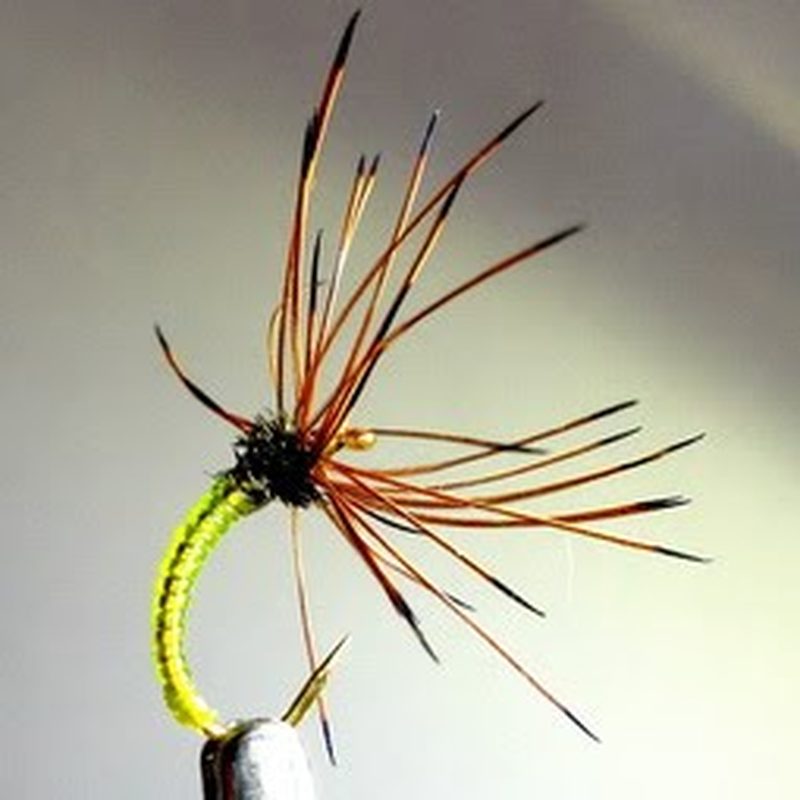
The flies I
use range from # 8 or # 10 for streamers and surface flies, and # 12 or smaller
for nymphs and killer bugs, etc.
It is worth
mentioning that I only use nymphs in lakes or river environments. In mangrove
areas they have no effect .
Oleg Stryapunin: 1stStep 360 rod released for Y14 season. >>