

Canne da Tenkara

Il prezzo è 99 EUR
Tenkara is a simplified approach to fly fishing that originated in the mountains of Japan, where anglers used a single telescoping rod, a fixed length of line, and a small fly to catch trout from remote streams. By removing the reel and the complex casting routines associated with western fly fishing, the method places the focus back on reading water, presenting the fly naturally, and enjoying the rhythm of the cast. Many anglers find that this stripped-down setup encourages a quieter, more observant style of fishing, where the challenge lies in technique and presentation rather than in gear. The result is a method that rewards patience and curiosity, making it appealing to beginners and experienced fly fishers alike who are looking for a refreshing way to engage with rivers and streams.
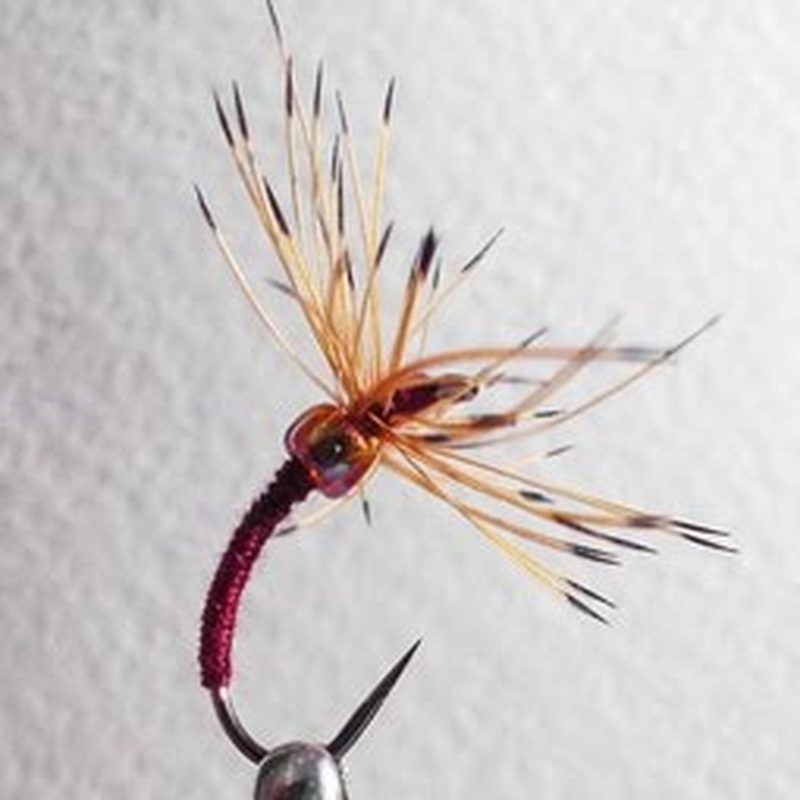
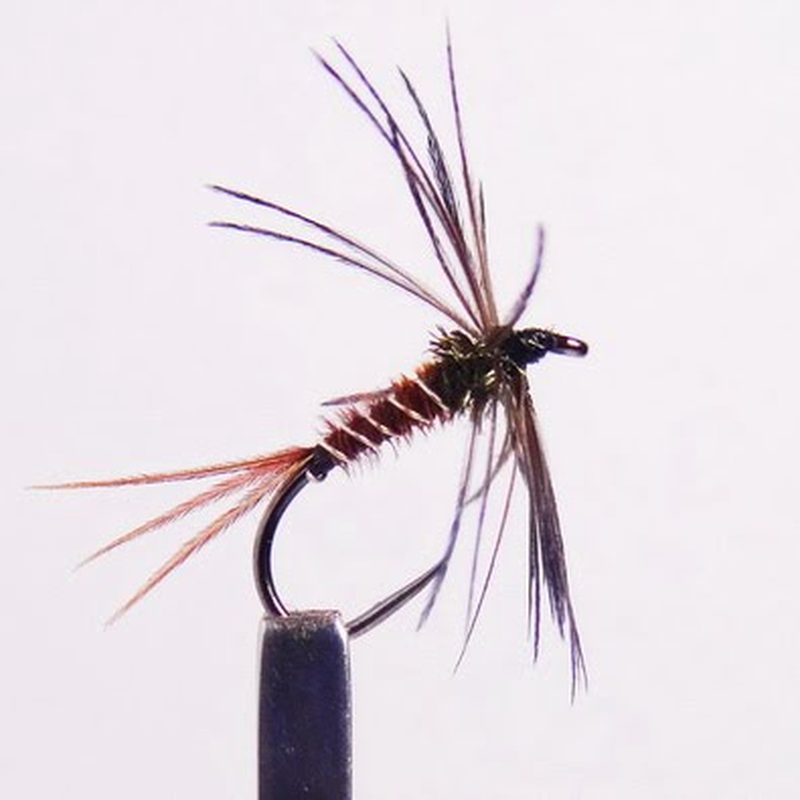
Central to the tenkara tradition is the kebari, a simple, often understated fly tied in the Japanese style. These flies tend to be sparse, lightweight, and designed to move convincingly in the current, with soft hackles and slim bodies that imitate the natural insects drifting through mountain streams. Traditional kebari are typically tied on small, barbless hooks, and they come in a wide range of color combinations, from muted earth tones to brighter experimental blends. Anglers who explore kebari tying often discover that small choices in thread, hackle, and proportions can dramatically change how a fly behaves in the water. This craft invites experimentation, patience, and a willingness to learn from the river itself, turning the act of tying into a meditative complement to the calm, deliberate rhythm of tenkara fishing.
The tenkara rod itself is a marvel of elegant engineering, collapsing down to a compact length for travel and extending into a long, sensitive wand on the stream. Most modern rods are made from carbon fiber, offering a balance of lightness and strength that suits everything from delicate dry fly presentations to more aggressive nymphing techniques. Length is a key consideration, as longer rods help control line on wider rivers while shorter rods shine in tight brushy creeks. Action, too, plays a defining role in how a rod loads, casts, and transmits the subtle takes of trout. Trying a few different lengths and actions in person can make all the difference in finding a rod that feels like a natural extension of the angler's own movements, which is at the heart of the tenkara experience.
Tenkara lines are refreshingly simple compared to the tapered leaders and weighted setups of conventional fly fishing. A single level line of fluorocarbon or nylon attaches directly to the rod tip, with a short tippet section and the fly at the end. This direct connection gives anglers exceptional sensitivity, allowing them to feel even the gentlest of takes. Many tenkara anglers also keep a spare line or two in their pack, as different water types and conditions can call for varying levels of visibility and stretch. Learning to manage line on the water is a skill that develops with practice, including mending, controlling drift, and landing fish with the rod alone. Over time, the relationship between angler, line, and water becomes intuitive, turning each cast into a quiet conversation with the stream.
Beyond gear and technique, tenkara is also a doorway into a welcoming international community. Blogs, online forums, and local gatherings connect anglers from across the world, sharing stories, advice, and fly patterns. Many tenkara enthusiasts pair their fishing with hiking, camping, and exploring remote waters, treating each outing as a small adventure. Tutorials, videos, and written guides make it easy for newcomers to learn the basics, while experienced anglers often contribute their own refinements and discoveries. This collaborative spirit reflects the humble origins of the method in Japanese mountain villages, where simplicity, resourcefulness, and respect for nature guided every aspect of the catch. For those willing to slow down and embrace its gentle rhythm, tenkara offers a deeply rewarding way to experience fly fishing at its most elemental.
|
|
|
|

86 g
8 sezioni
Azione 6:4
Impugnatura in sughero 28 cm
Le TryTenkara sono canne da tenkara di livello superiore. Realizzate con elementi in carbonio tra i migliori del Giappone, sono tra le canne più leggere esistenti sul mercato. L’impugnatura sagomata in sughero permette al pescatore di individuare la migliore posizione. Il peso, l’azione e la forma dell’impugnatura soddisfano perfettamente le tipiche condizioni di pesca a tenkara quando per ogni ora di pesca è necessario effettuare centinaia di lanci. Raccomandiamo di utilizzare finali con diametro non superiore allo 5X.

56 g
7 sezioni
Azione 6:4
Impugnatura in sughero 23 cm
62 g
8 sezioni
Azione 6:4
Impugnatura in sughero 27 cm

82 g
8 sezioni
Azione 7:3
Impugnatura in sughero 28 cm
59 g
7 sezioni
Impugnatura in sughero 23 cm
Tutte le canne da tenkara sono fornite con custodia in tessuto elastico e tubo trasparente in policarbonato, e a richiesta (+10 EUR) con tubo in carbon (case).
Le canne sono fabbricati in Cina con materiali giapponesi.
Tutti i ricambi sono disponibili a >>
Spedizione.Garanzia.Resistituzioni >
Commenti e valutazioni: