

Tenkara Stenger
 for alle nybegynnere
Tenkara Starter Kit
: en ferdig preparerende
1st Step 360
tenkara stang med Line Keepers, 3,5 m
YGK
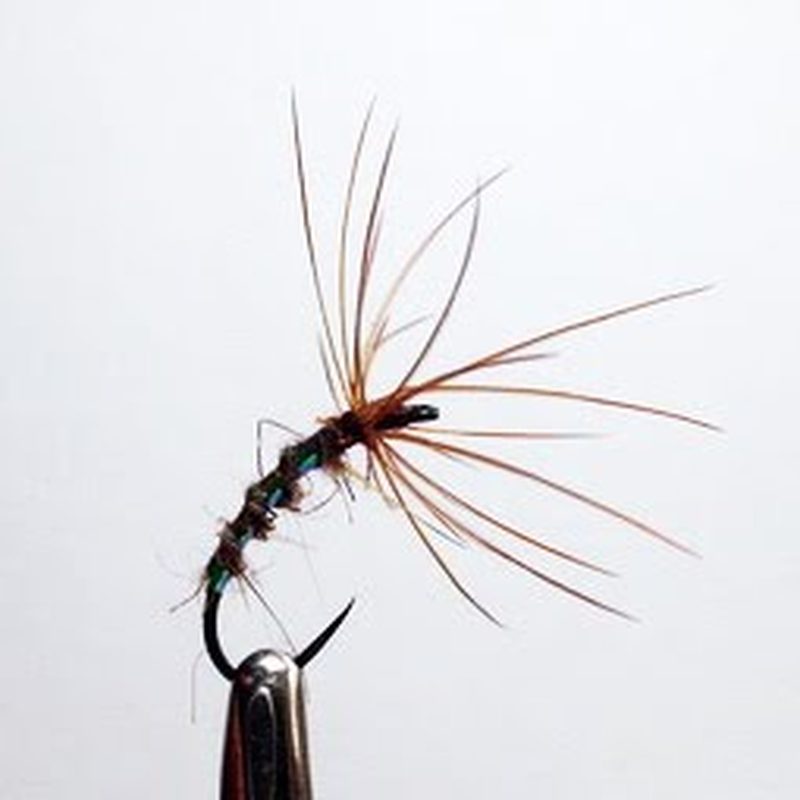
tenkara level liner + 1 m 5x tippet, 3m tippet material og 6 Kebari fluer. Du er klar til å prøve tenkara med engang.
Tenkara is a traditional Japanese method of fly fishing that uses only a rod, line, and fly—no reel required. This minimalist approach emphasizes precision casting and a direct connection with the fish. The technique has gained a devoted following among anglers who appreciate its simplicity and effectiveness on small to medium streams. With a telescoping rod, a fixed length of level line, and a hand-tied kebari fly, the tenkara angler can present the fly with remarkable accuracy. The focus shifts from complex gear management to reading the water, understanding fish behavior, and perfecting the cast. Many find this stripped-down style of fishing both meditative and deeply rewarding.
Choosing the right tenkara rod is essential for a satisfying experience on the water. Rods vary in length, action, and weight, each suited to different fishing conditions and personal preferences. A shorter rod offers greater maneuverability in tight, brushy streams, while a longer rod provides better line control and reach on open water. The action of the rod—whether soft, medium, or firm—affects casting feel and fish fighting dynamics. Soft-action rods excel at protecting light tippets and delivering delicate presentations, while firmer rods handle larger fish and windy conditions more effectively. Understanding these characteristics helps anglers select a rod that matches their local waters and style.
Tenkara lines are a critical component of the system, directly influencing casting performance and fly presentation. Level lines, tapered lines, and furled lines each offer distinct advantages. Level lines are simple and affordable, casting well in calm conditions. Tapered lines provide smoother turnover and better performance in wind. Furled lines, often handmade, combine delicacy with durability and turn over even heavy kebari flies with ease. Line length and diameter also play important roles: a heavier line loads the rod more deeply for longer casts, while a lighter line allows for gentler presentations. Experimenting with different line types helps anglers fine-tune their setup for specific streams and target species.
The kebari is the traditional tenkara fly, typically tied on a single hook without a barb. Unlike western fly patterns that often imitate specific insects, kebari designs are generalist attractors meant to provoke a strike through movement and appearance. Common patterns include the sakasa kebari, which features hackle tied facing forward to create lifelike pulsing action in the current. Tying your own kebari is a rewarding aspect of tenkara, allowing for endless customization in size, color, and profile. Whether fishing a dry kebari on the surface or a wet version swung through a pool, the fly’s movement is what triggers the fish. This simplicity makes fly selection intuitive rather than overwhelming.
The tenkara community is a welcoming and passionate group of anglers who share a love for this elegant fishing method. Online forums, blogs, and local gatherings provide opportunities to exchange tips on casting techniques, fly patterns, and favorite streams. Many experienced tenkara anglers are eager to help newcomers get started, offering advice on gear selection and fundamental skills. Guided tours and instructional content are also available for those who prefer hands-on learning. Whether you are a complete beginner or a seasoned fly fisher looking to explore a more minimalist approach, the tenkara world offers a supportive path forward. The shared appreciation for simplicity and connection to nature unites practitioners across the globe.
|
|
|
|

TryTenkara stenger er de avanserende stenger. Dem er laget av de beste slags av Japansk karbon og de tilhører til de letteste tenkara stenger. Den aksentuerte kork håndtaket gi den fisker muligheter til å finne den mest komfortable grep posisjon. Både vekt, aksjon, balanse og grepfasong er perfekt tilpasset for typiske tenkara fiske situasjoner, når hundre kasts i en time er nødvendig. Vi anbefaler en tippet som er ikke sterkere en 5X.

WaterShed
stenger er overlegene tenkara stenger. Blanken er mykere og selve aksjonen er langsommere enn de fra TRY stenger. Det sørger for en veldig taktisk feedback så at det blir intuitivt for fiskeren å føle når stangen lader og ikke lader seg. Samtidig beholder stangen sin høye følsomhet som våre TRY stenger har. Du får optimale aksjon i stangen din når du kaster en # 3 fluorcarbon levelline som har samme lengde som selve stangen. WaterShed stengene blir levert med en elastisk sokk og en lettvekt carbon fiber stangrør
.

Teleskopisk lengde: 52,5 cm
Vekt: 59 gram
Lengde fra handtaket: 23 cm
Antall segmenter: 7